
At first glance, cooking in Azeroth seems like a simple secondary profession—an optional pastime tucked between raids, Mythic+ runs, and leveling. Yet underneath its unassuming surface lies one of the richest, most textured systems in the entire game. WoW’s cooking and food mechanics are woven into leveling, healing, roleplay, community events, high-end raiding, and even the emotional storytelling of zones. For many players, food is more than a consumable; it’s a cultural artifact reflecting the people, regions, and eras of the game.
This article explores why cooking remains a surprisingly deep and beloved part of WoW’s worldbuilding, how recipes evolved from Classic to The War Within, and why meals continue to influence both gameplay and player identity.
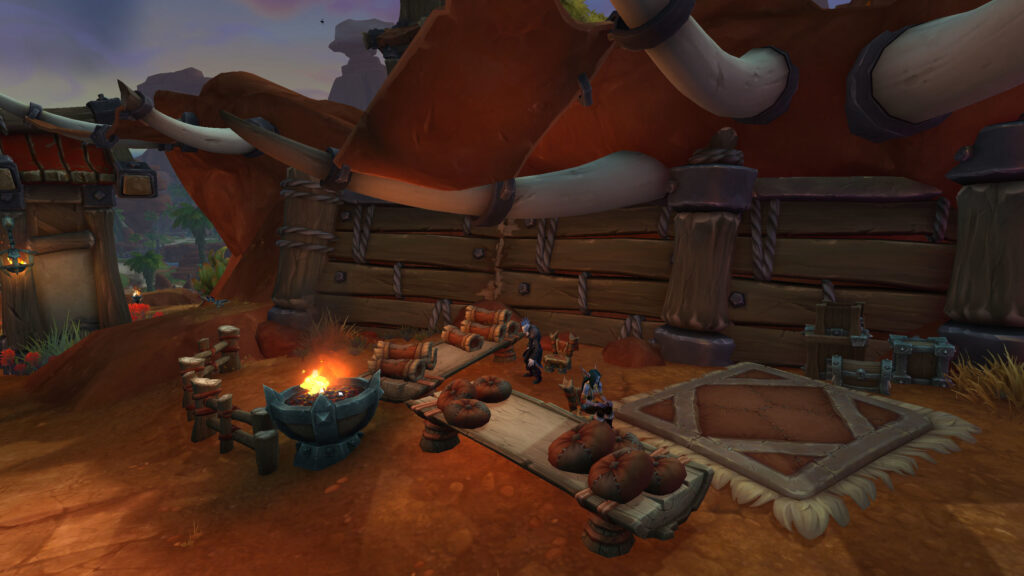
Food as a Reflection of Zone Identity
Every expansion introduces foods shaped by the culture and ecology of its zones. These meals aren’t just stat buffs—they capture the history and personality of the regions players explore. Pandaria’s cuisine blends harmony and balance, drawing from the land’s serenity. Shadowlands meals evoke ethereal otherworldly flavors. Dragonflight dishes reflect primal forces and elemental diversity.
This regional specificity helps players feel immersed in the world. Meals become artifacts of places explored, monsters hunted, and ecosystems understood.
Cooking as a Social Ritual
Few professions inspire in-game tradition like cooking. Ever since the first feasts appeared in Burning Crusade, food has created shared gathering points—moments where parties assemble, buff up, and prepare mentally before content. A feast isn’t just nourishment; it’s a subtle ritual of unity. Players gather, laugh, emote, and joke—small but meaningful moments that reinforce the cooperative identity of WoW.
Even simple campfires serve as miniature social hubs, recalling Classic-era adventures.
Feasts: The Heart of Group Preparation
Feasts evolved dramatically over the years, becoming symbols of teamwork and guild culture. A high-quality feast communicates preparedness, generosity, and commitment. In progression raiding, placing a feast is an act of leadership; in casual groups, it’s a moment of camaraderie. The creativity of feast visuals—from enormous Dragon Isles buffets to magical Shadowlands spreads—turns them into visual spectacles.
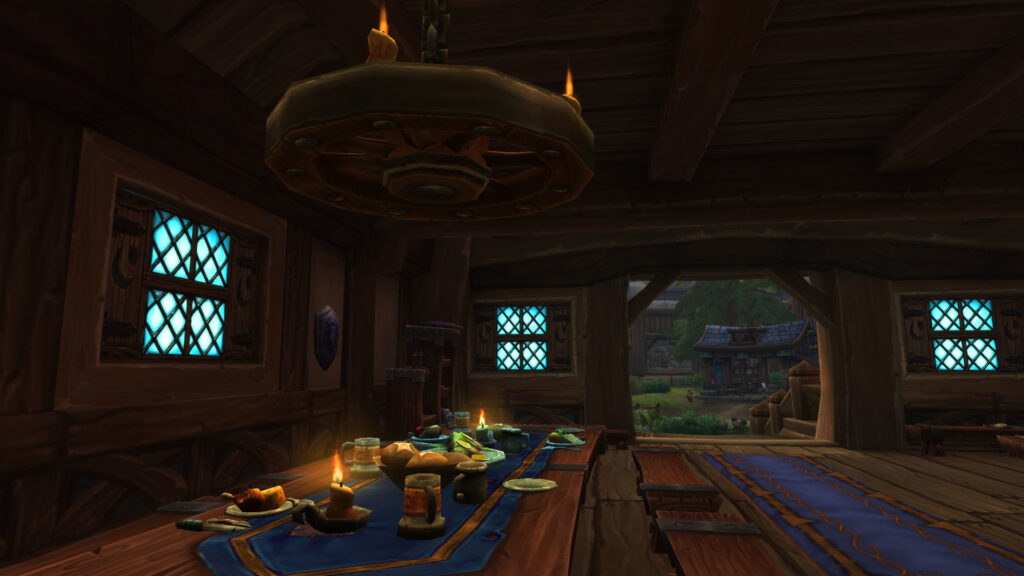
The stat bonuses matter, but the sense of collective preparation matters even more.
Why Cooking Has Quiet Mechanical Depth
Though often overlooked, cooking contains surprising mechanical layers. Buff foods influence damage, healing, stamina, and secondary stats, and they change across tuning patches. Specialized meals cater to tanks, healers, or DPS. Certain foods synergize with class builds or trinket procs. Some meals provide utility—water walking, stat recovery, or movement speed bonuses.
Players optimizing performance quickly learn that food choices matter more than they expect.
- Max-stat feasts for coordinated raid groups
- Solo meals tailored to specific builds or talent paths
- Utility foods that add non-stat benefits like mobility
- Economy foods ideal for alts and leveling
- Role-specific dishes addressing survivability or throughput
Cooking Through the Expansions: A Subtle Narrative
Azeroth’s recipe evolution mirrors the game’s narrative shifts. Classic and Burning Crusade emphasized hunting and survival—many meals came from beasts roaming dangerous wilderness. Wrath introduced Northern Stew and survival-based dishes reflecting icy hardship. Pandaria elevated cooking into an art form through the Ways of Cooking, representing cultural pride. Legion brought feasts infused with demonic magic. Shadowlands explored afterlife-themed dishes that connected food to soul energy.
Even if players aren’t conscious of it, cooking tells a story about where Azeroth has been.
The Role of Fishing and Ingredient Diversity
Cooking thrives because it merges multiple systems: fishing, hunting, farming, and exploration. Fish are some of the most consistent crafting materials across expansions, providing a backbone for feast recipes and high-end buff foods. Certain fish only appear during time-of-day cycles or weather events, giving cooking a hidden layer of environmental depth.
Beasts, plants, and rare creatures further diversify sources, making cooking a profession deeply rooted in the natural world.
The Cultural Identity of Recipes
Many dishes carry cultural meaning: Dwarven ales, Night Elven moonberry recipes, Pandaren steamed buns, Vulpera spice blends, and Draenic survival meals. Blizzard uses regional foods to express heritage, humor, and emotional texture. A recipe isn’t just stats—it tells a story about who made it, why it matters, and what beliefs shape the culture behind it.
For roleplayers, cooking becomes an extension of character identity.
Goldmaking Through Forgotten Foods
Food markets are among the most volatile in the auction house. Demand spikes at the start of a tier or after balance patches. Niche foods—especially leveling meals, convenience dishes, or mid-tier feasts—often generate excellent profit margins. Players who understand ingredient cycles and farming hotspots can build reliable income streams entirely from cooking.
Because food is consumable, the market refreshes constantly, creating consistent demand throughout the season.
Cooking as a Comfort System
For many players, cooking provides comfort—both mechanically and emotionally. In the chaos of raids and PvP, crafting a simple meal feels grounding. Recipes often evoke nostalgia, reminding players of old expansions or early leveling adventures. Food is one of the rare systems that connects past and present, gameplay and identity, challenge and relaxation.
This emotional dimension is why cooking remains timeless despite its simplicity.
Conclusion
Azeroth’s cooking system holds surprising depth because it is more than a secondary profession—it’s a cultural tapestry, group ritual, optimization tool, and storytelling medium. Through recipes, feasts, ingredients, and traditions, cooking reflects the world’s history and the identities of its people. It enriches gameplay, strengthens communities, fuels the economy, and adds emotional resonance to everyday adventures.
Whether players craft for performance or flavor, cooking continues to be one of WoW’s most quietly essential systems—one that adds texture, warmth, and meaning to the world.

Greetings, fellow gamers and enthusiasts of the virtual realm! I am Ana Peters, an impassioned gaming journalist fueled by an insatiable curiosity and a deep appreciation for the artistry of video games. With a pen as my weapon and a heart as my guide, I venture into the vast and captivating landscapes of gaming, seeking to uncover hidden stories and bring them to light. Through my words, I aim to captivate your imagination, delving into the intricate mechanics, immersive narratives, and the profound impact that gaming has on our lives. Join me on this thrilling adventure as we explore the boundless realms of pixels and emotions, celebrating the wonder and magic of the gaming universe. Together, let us embark on a journey that transcends boundaries and sparks the flames of our shared passion for gaming.
Leave a Reply